The best way to label plants is to use a name and variety format you can recognize later, place the label where it stays visible, and keep important care information in one dependable record. A durable physical label is enough for simple identification; a QR plant label adds a linked Plant Record for notes, user-recorded watering history, growth updates, and Plant Photos.
Choose the right type of plant label
The right label depends on how long the plant needs to stay identified and how much information you need to retain.
Temporary labels
Temporary labels work well for seedlings, propagation trays, and plants that will be moved soon. Use a clear name and date, but expect to replace the label when the plant is transplanted or the writing becomes hard to read.
Durable physical labels
For outdoor beds, containers, and plants that stay in place, choose a material that suits the environment. Metal labels can provide a longer-lasting identifier than paper, untreated wood, or ink that fades in the weather. Keep the visible text short enough to read at a glance.
QR plant labels
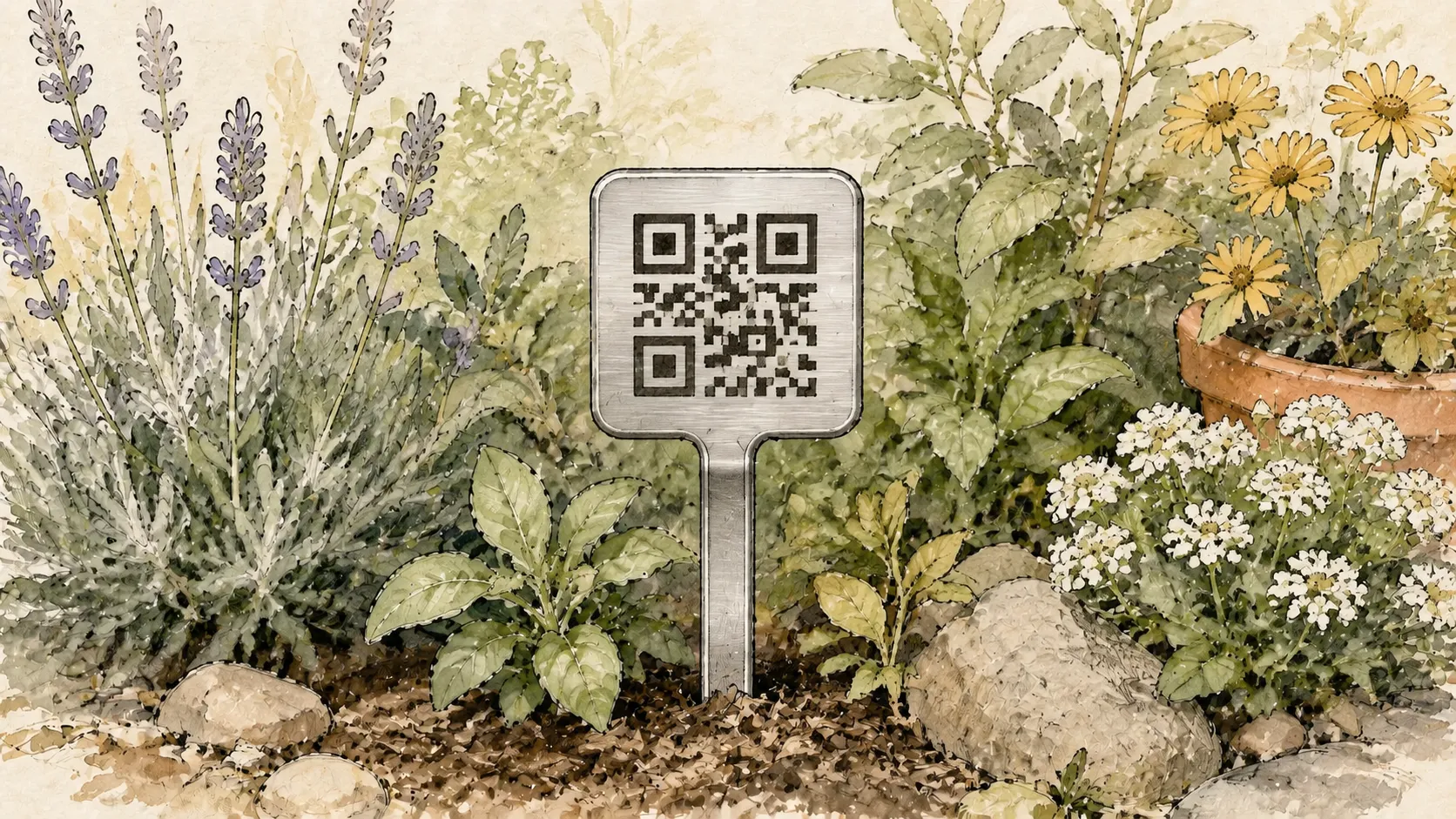
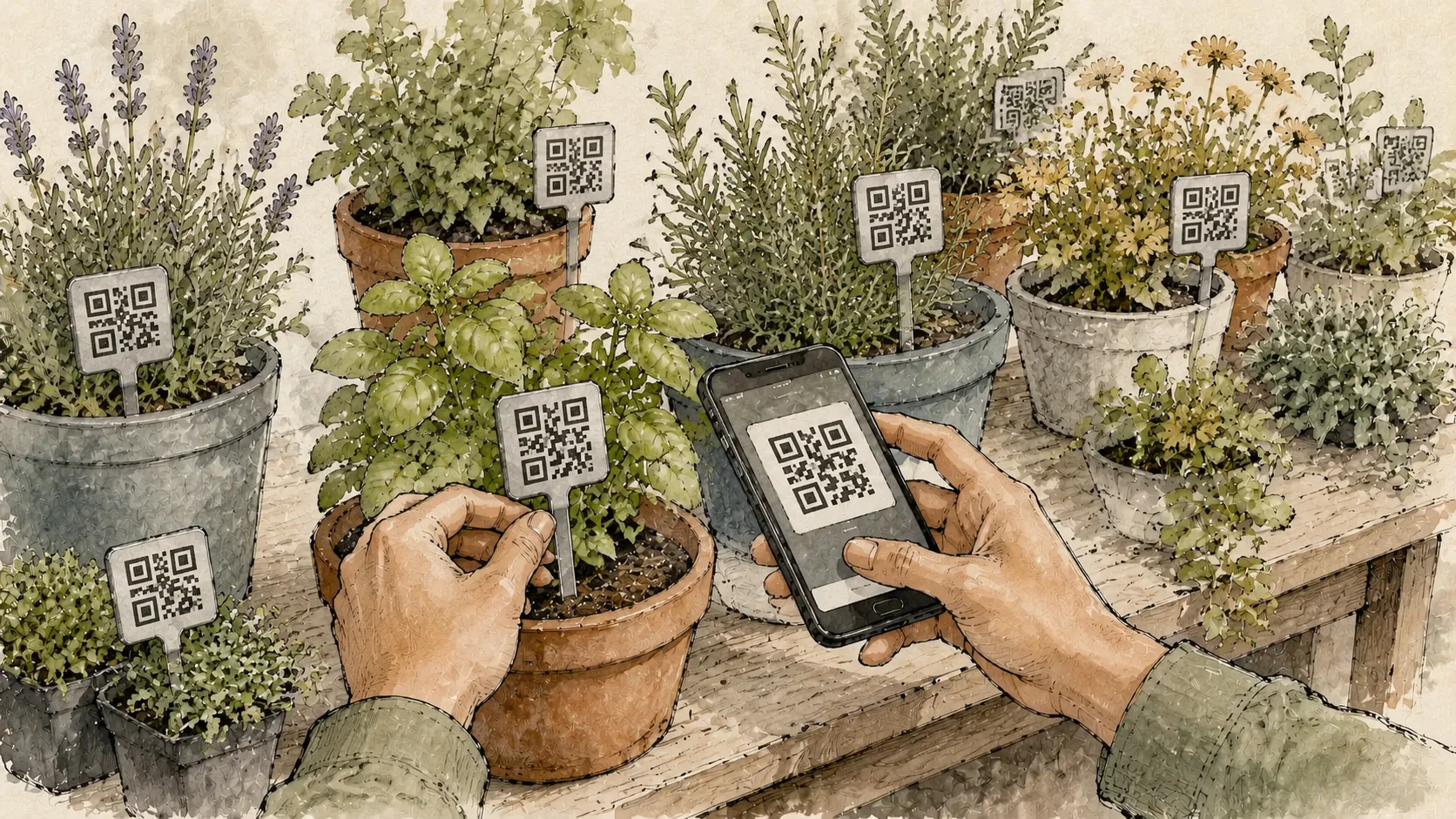
QR plant labels combine a physical label with a linked digital record. The official Acemaker product listing identifies Acemaker QR Plant Labels as T304 stainless steel labels; scanning the code opens the linked Plant Record where you can add plant details, care notes, user-recorded watering history, growth updates, and Plant Photos. A QR label needs a phone to scan and an account to create or edit the record, so it complements rather than replaces a simple visible identifier.
Build a repeatable labeling system
1. Decide what the name should include
Use the same naming pattern throughout the garden. Depending on your needs, include:
- Common name and variety
- Planting or acquisition date
- Location, bed, or container
- A short identifier for plants with similar names
Consistency matters more than a particular format. A name that is clear in January should still make sense months later.
2. Place the label for real-world use
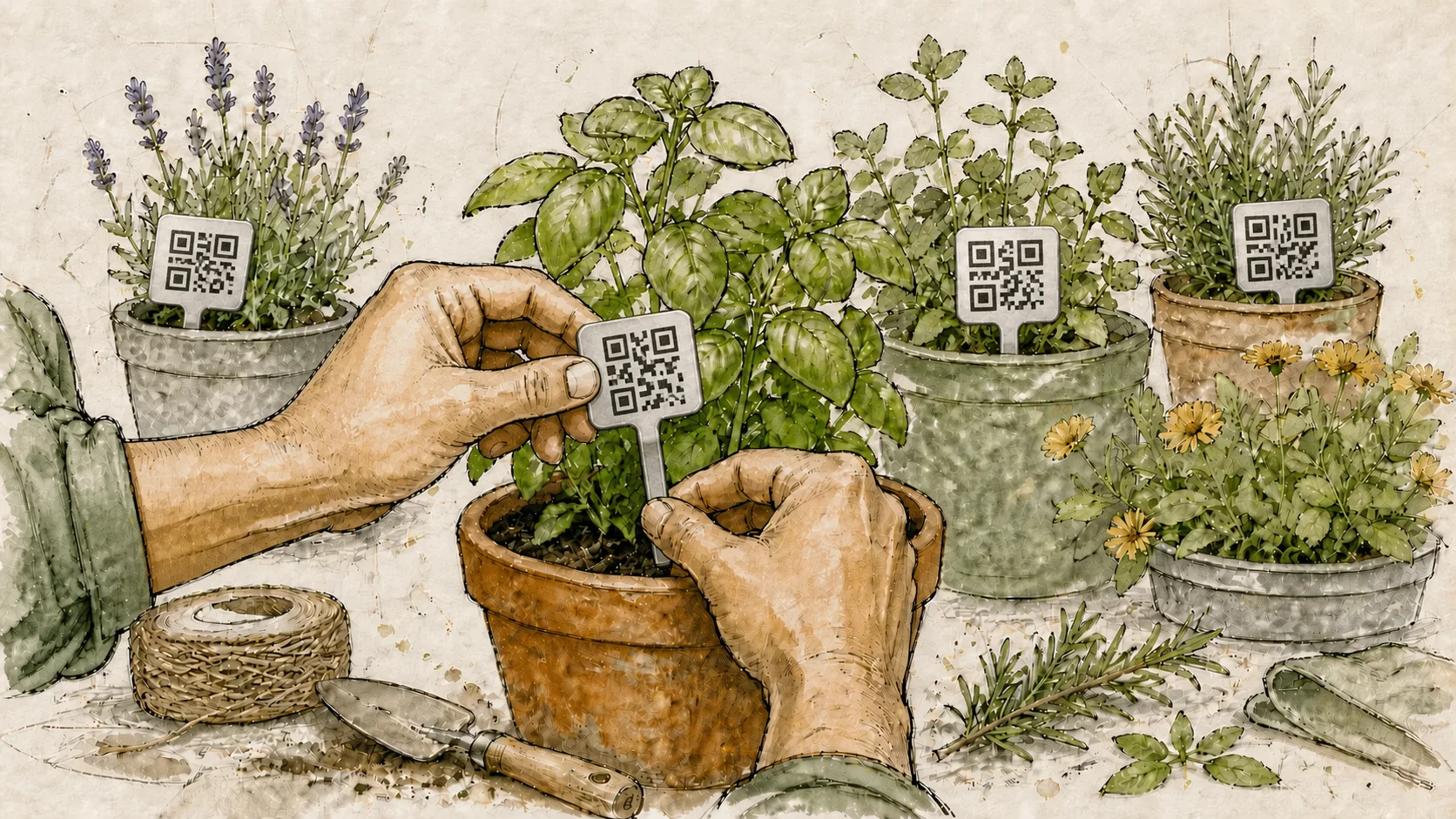
Put the label close enough to the plant to identify it, but not where foliage or irrigation will hide it. Keep the face easy to see and the QR code easy to reach if the label links to a Plant Record. Use a stable stake or attachment point so the identifier does not move to another plant.
3. Record useful details while they are fresh
When a plant changes hands, moves location, or receives important care, record the detail in the same system as the name. Useful entries can include planting dates, growing conditions, care notes, watering entries, growth observations, and Plant Photos.
4. Review labels after changes
Update the physical label when the plant's identity or location changes. Update the digital record when details change. A regular review can catch missing names, duplicate identifiers, and records that no longer match the garden.
Plant labeling best practices
- Use high-contrast, readable text on the physical label.
- Keep the same spelling for a variety everywhere it appears.
- Prefer a location that can be reached without damaging the plant.
- Add a photo when visual identification will help later.
- Keep the physical label and digital record tied to the same plant.
- Treat watering history as a log of entries you add, not as an automatic measurement or reminder.
Common plant labeling mistakes
Using shorthand that only makes sense today
Abbreviations save space but can become ambiguous when several varieties look alike. Write enough of the name to distinguish the plant from its neighbors.
Choosing a label that does not match the environment
A label that works indoors may not remain readable outdoors. Consider sun, rain, handling, and how often the plant will be moved before choosing the material and placement.
Keeping the record in a separate notebook forever
A notebook can be useful, but information that is separated from the plant is easier to lose or misidentify. If the history matters, keep it with the Plant Record or another system you will actually maintain.
Replacing the tag for every small update
A physical label should identify the plant; it does not need to contain every care detail. A linked digital record can hold longer notes and photos without rewriting the tag each time.
When QR plant labels make sense
Choose a QR-based system when you want durable labels plus a record that can grow with the plant. It is especially useful for gardens with many varieties, plants that need a visual history, or shared spaces where more than one person needs the same information.
If you only need a temporary name for a seedling or a quick visible marker for a small garden, a basic physical label may be the better fit. For a closer comparison, read QR code plant labels vs traditional plant labels. For the best material by scenario, see the best way to label plants; for nursery batches, see how to label plants in a nursery.
Start labeling your plants
- Choose a consistent naming format.
- Select a label material and placement that fit the plant's environment.
- Add the plant name and any essential identifier.
- If you use an Acemaker QR Plant Label, scan it, sign in or register, bind it to the plant, and add the details you want to keep.
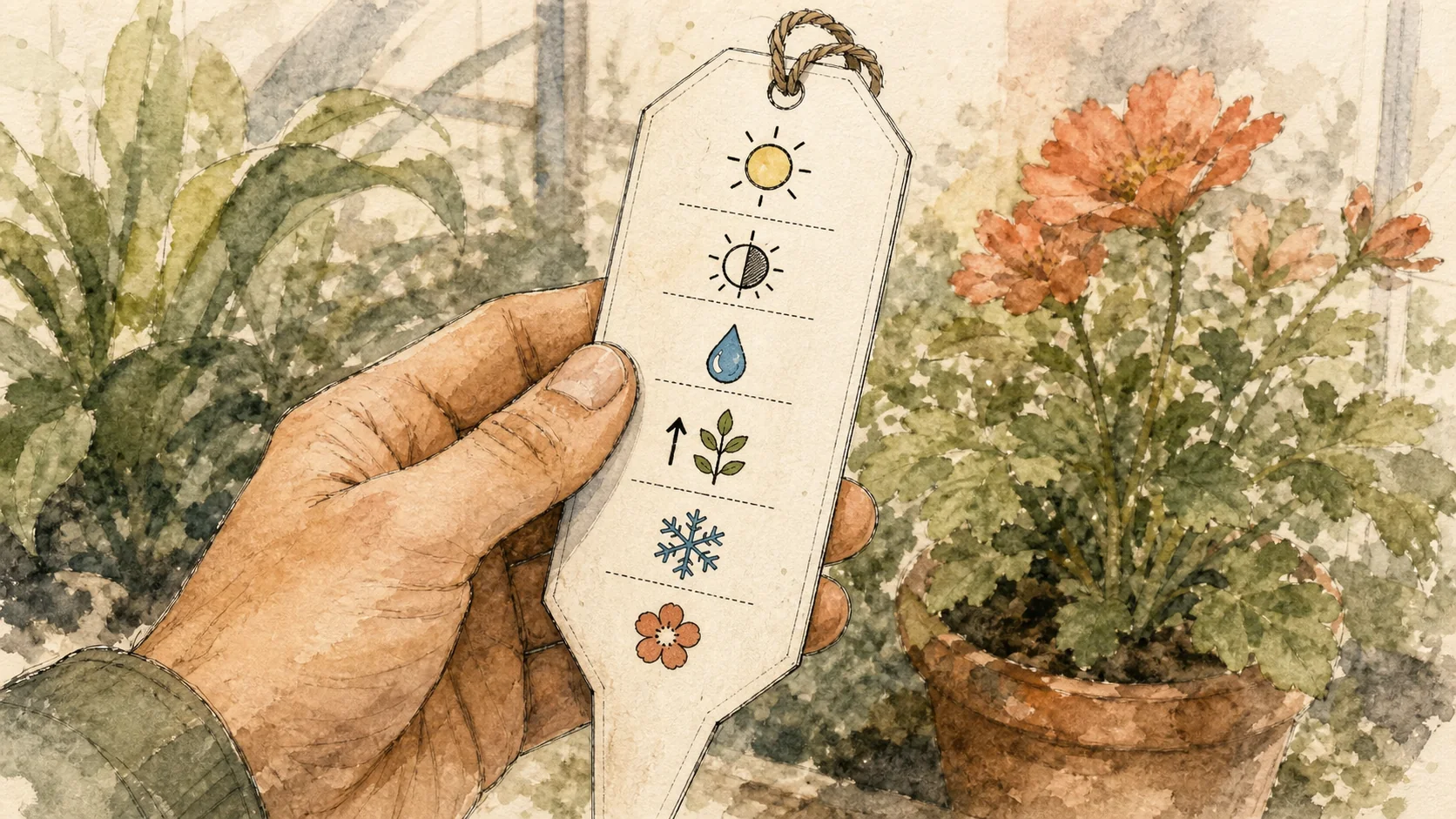
- Keep the Plant Record updated as the plant grows; Smart Gardening Tips covers the ongoing recording workflow. To decode the icons on a nursery tag you already own, read plant label symbols meaning.